
DOUALA, CAMEROON
Holiday Houseboys
To fully appreciate Douala you need to book a Holiday Houseboys, your local gay friendly tour guide. He will be able to show you around like a local. Whether you want to see the tourist sites, places off the beaten track or discover new experiences, the Holiday Houseboy is there to help you. He looks after your safety and welfare at all times.
Vacancy

How To Book A Holiday Houseboy
To book any of our Holiday Houseboys please go to the booking form.
Or send an email to info@holidayhouseboys.com.
Alternatively WhatsApp +34-676-78 63 51.
Remember a Holiday Houseboy is your gay friendly tour guide who looks after your safety and welfare at all times.
Please note these are guide services and not sexual services.
Our other destination in Cameroon is Yaounde.
Highlights of Douala
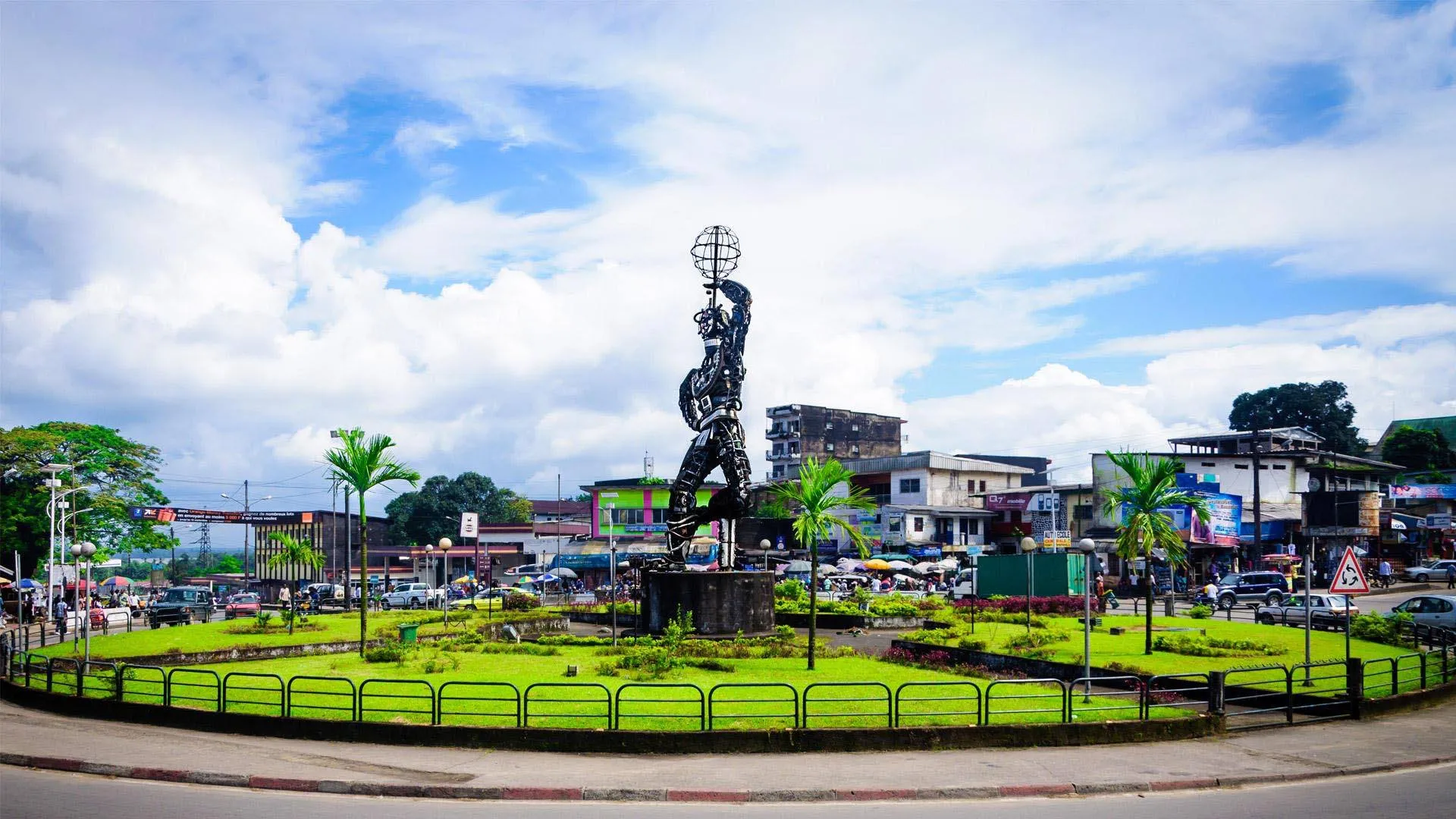
Douala is the largest city and economic capital of Cameroon, located along the Wouri River near the Atlantic coast. As the country’s main port city, Douala serves as the primary gateway for trade, industry, and commerce, not only for Cameroon but also for several landlocked Central African nations.
Douala’s history is closely linked to trade and maritime activity. Long before European contact, the area was inhabited by the Duala people, who were active traders along the coast. During the colonial period, the city developed under German, and later French, rule, shaping its modern infrastructure and administrative layout.
Today, Douala is Cameroon’s busiest and most influential city. The Port of Douala handles the majority of the country’s imports and exports, including petroleum products, timber, cocoa, coffee, cotton, and manufactured goods. Its strategic position makes it a vital commercial hub for Central Africa.

The city is known for its energy, diversity, and fast-paced lifestyle. People from all regions of Cameroon and neighboring countries have migrated to Douala in search of opportunity, creating a multicultural population. French is the dominant language, though English, local languages, and Cameroonian Pidgin English are widely spoken.
Douala is divided into several districts, such as Akwa, Bonanjo, Bali, and Deido, each with its own character. Bonanjo serves as the administrative and business center, while Akwa is known for commerce, markets, and nightlife.
Culturally, Douala is a center of music, art, and fashion. The city has played a major role in the development of modern Cameroonian music styles, including makossa, which originated here. Street art, galleries, and cultural festivals reflect the city’s creative spirit.
Markets are central to everyday life in Douala. Bustling markets such as Marché Central offer everything from fresh produce and seafood to textiles and household goods. These markets highlight the city’s role as a commercial crossroads and provide insight into local daily life.
Douala’s cuisine reflects Cameroon’s culinary diversity. Dishes often feature fish, plantains, cassava, yams, and spicy sauces. Popular foods include grilled fish with pepper sauce, ndolé, and various street foods that are both affordable and flavorful.
The city’s tropical climate brings high humidity and heavy rainfall, especially during the long rainy season. Flooding and traffic congestion are ongoing challenges, particularly in low-lying areas. Despite this, Douala continues to expand rapidly, driven by trade and population growth.
Infrastructure development remains a key focus, with projects aimed at improving roads, bridges, housing, and port facilities. The Wouri Bridge, connecting different parts of the city, is one of Douala’s most important landmarks and transport links.
While Douala may lack the polished appearance of some capital cities, its strength lies in its raw energy and economic importance. It is a city where opportunity, struggle, and ambition coexist, reflecting the broader realities of urban life in Central Africa.
In conclusion, Douala is the beating heart of Cameroon’s economy. With its powerful port, cultural influence, and diverse population, the city plays a central role in shaping the country’s present and future. Douala is not just a place of business—it is a city defined by movement, resilience, and constant growth.
