The Ever-Changing Bucharest Romania
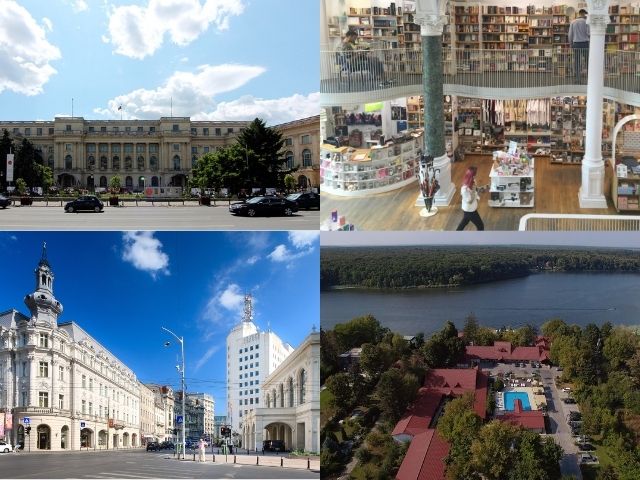
So-called ‘New Berlin‘ or the ‘East’s Little Paris‘ – this is changing Bucharest. The fashionable capital city of Romania is more than a comparison. It’s a remarkable city of contrasts, mixing almost 500 years of history with a relatively new identity. It blends magnificent Belle Époque architecture with dour communist-era buildings. Infinite stunning parks contrast with sterile public squares, and extraordinarily progressive inhabitants coexist with a chosen pragmatic few. Continue reading to learn more!
Calea Victoriei – The Boulevard Defining Changing Bucharest
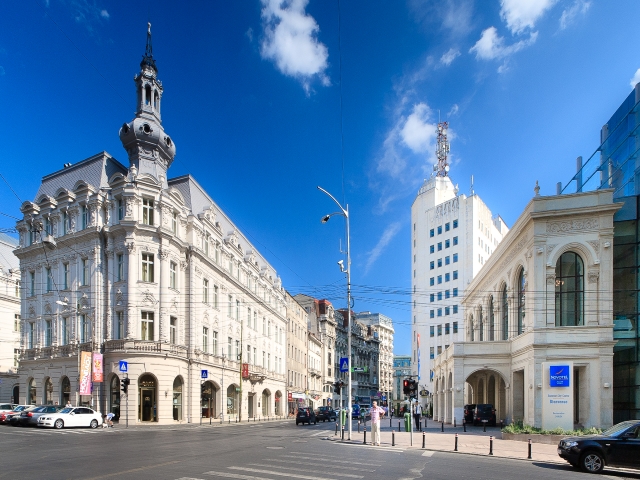
Calea Victoriei
Wealthy boyars first built their houses along Calea Victoriei (Boulevard of Victory), making it Bucharest‘s most popular thoroughfare. Originally, workers laid it out in the late seventeenth century as a timber avenue named Podul Mogoşoaiei. The boyars’ arrival prompted Bucharest’s most important stores to open along the road. Workers repaved it and gave it its current name in 1918. The gentler northern half remains green and tranquil, with hints of historic-world beauty. Meanwhile, the southern end offers an eclectic mix of old apartment buildings, fancy hotels, stores, and banks. The latest addition is an amazing cycling lane. Learn more at TripAdvisor – Calea Victoriei.
The National Gallery of Art
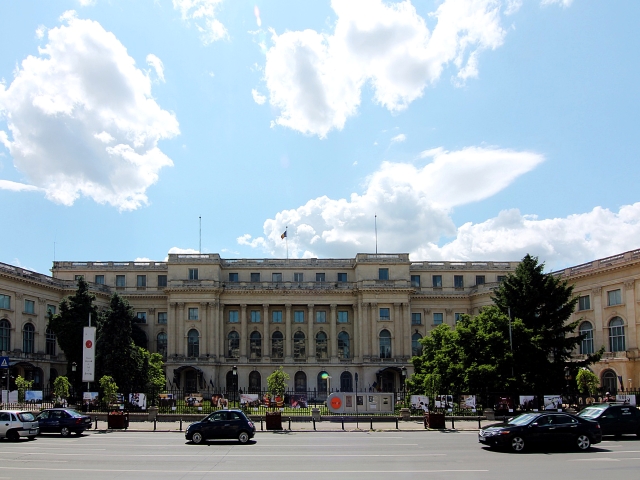
The National Gallery of Art
The Muzeul Naţional de Artă Contemporană (National Museum of Contemporary Art) occupies the west wing of the building, to the rear of the palace. A specially constructed glass annex and external elevators give access to this four-story facility. Curators rotate all pieces on display regularly. They typically take the form of multimedia installations, paintings, collages, montages, and photographic displays.
Snagov – A Changing Bucharest Day Trip Worth Taking
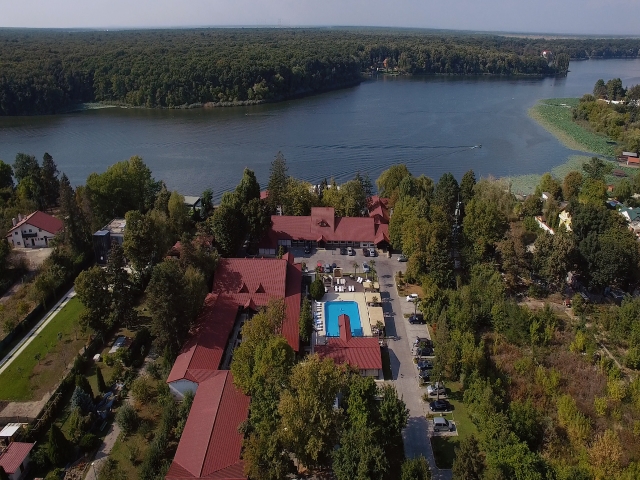
Snagov
Snagov attracts more Bucharestians than any other tourist destination. This spacious village sits 40 kilometers north of the capital. Its lovely 19-kilometer-long lake offers watersports amenities and shelters water plants including Indian waterlily, arrowhead, and oriental beech. City dwellers frequently choose Lake Snagov as a popular weekend getaway. On an island in the lake, a monastery reportedly marks the final resting place of Vlad Tepes, the prince who inspired Dracula. Tours departing from Bucharest end at the monastery.
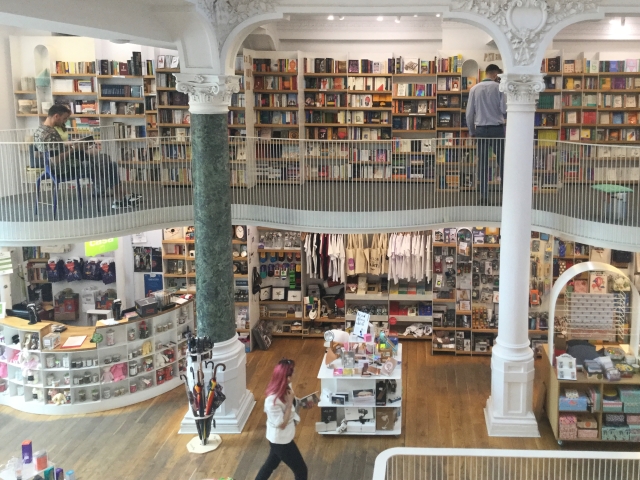
Lipscani – The Old Town Heart of Changing Bucharest
Lipscani