Torn Between Two Continents Two Worlds – Istanbul Turkey
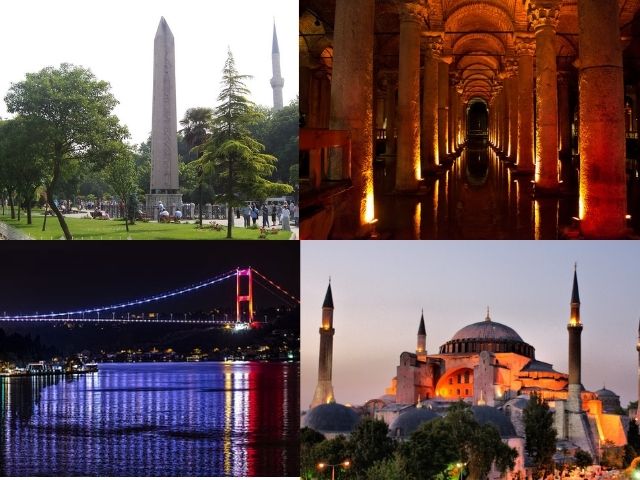
Istanbul truly embodies two worlds – a city where Europe meets Asia, East meets West, and the past and present mingle. Two worlds Istanbul welcomes travelers with an eclectic blend of cultures, customs, cuisines, and colors unlike anywhere else on earth!
Explore Istanbul with open eyes and an open mind. It boasts one of the greatest cuisines in the world, so dive right in. Additionally, learn about its illustrious past. Wander through a typical town, haggle for deals in colorful bazaars, visit a traditional tea house, or grab a kebab on the street.
Although Istanbul is one city, it splits into two parts. One sits on the European continent, bordering Greece and Bulgaria. The other occupies the Asian continent, bordering Syria, Iran, and Iraq. The Bosphorus Strait flows between them, connecting the Black Sea to the Mediterranean Sea via the Sea of Marmara. As a result, the city became a cultural and ethnic melting pot. Furthermore, structures from Greece, Rome, Byzantium, the Ottoman Turks, and modern Turkey all shape its cosmopolitan character.
Sultanahmet Square – Where Two Worlds Istanbul Began
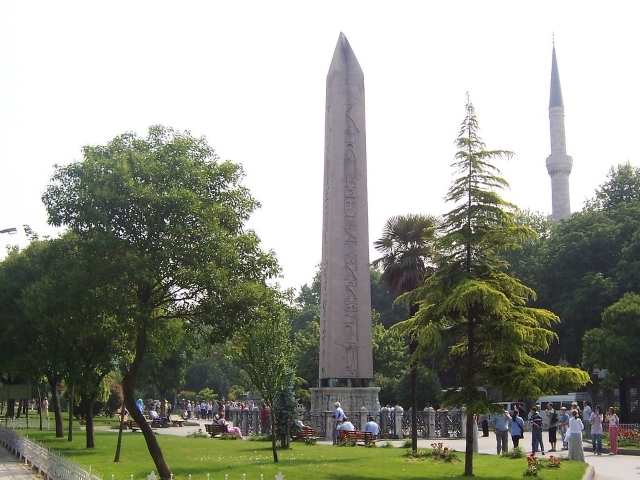
Sultanahmet Square
Istanbul is rich in Byzantine architecture. Among its finest examples stands the Hippodrome, today known as Sultanahmet Square. Builders originally created it as a chariot race venue for the Byzantine Empire in 330 AD. In particular, the spectacular Obelisk of Theodosius stands in the heart of the ruins. Emperor Constantine brought this ancient Egyptian pedestal, engraved with hieroglyphics, to honor the new Roman capital. Learn more at the TripAdvisor – Sultanahmet Square.
The Cistern of the Basilica
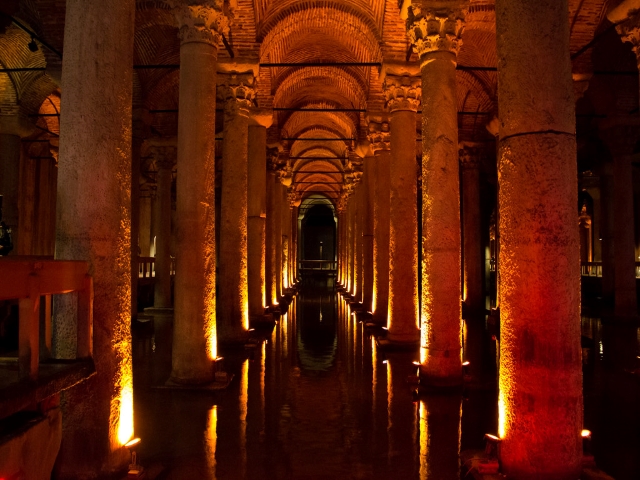
The Cistern of the Basilica
Roman Emperor Justinian established the Basilica Cistern in 532 AD as an extraordinary subterranean reservoir. It collected rainwater that aqueducts carried into the city from the Black Sea. Moreover, two of its 336 Corinthian columns rest on stone Medusa heads. Workers sourced these from Greek and Roman temple ruins.
15 July Martyrs Bridge – Crossing Two Worlds Istanbul in Minutes
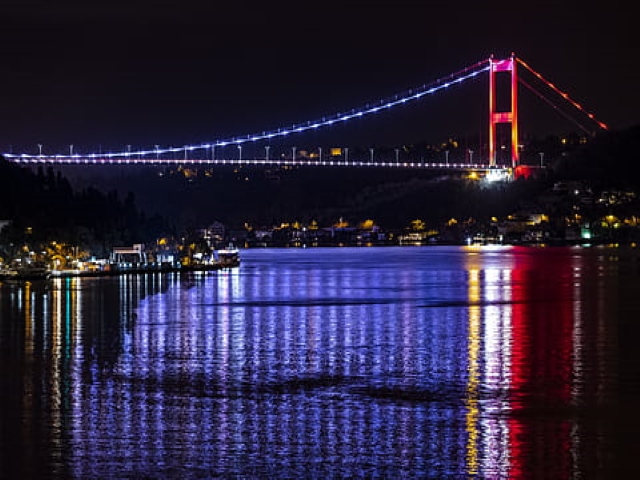
15 July Martyrs Bridge
Visitors to Istanbul can cross two continents in just three minutes by driving across the 15 July Martyrs Bridge. People popularly know it as the “First Bridge.” In 2016, the city renamed it to honor citizens who died fighting Turkey’s attempted coup. Workers erected the mile-long bridge between 1970 and 1973 to connect Istanbul’s European and Asian sides. Additionally, visitors can enjoy a Bosphorus cruise beneath the bridge. The route runs from the Eminönü area to the Black Sea entrance and back, offering spectacular Mediterranean vistas.
The Galata Tower
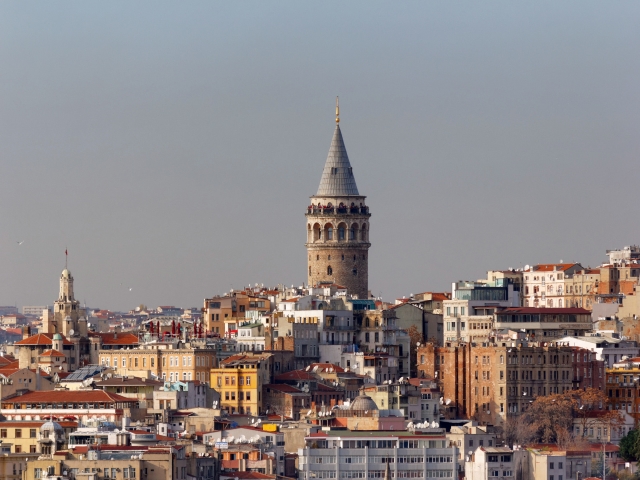
The Galata Tower
Builders constructed Galata Tower in 500 AD. While it may not rank among the world’s highest skyscrapers, this ancient stone monument offers breathtaking 360-degree vistas of Istanbul. However, be prepared to wait in line. Nearby, the Neve Shalom Synagogue sits just a minute’s walk away. The Jewish community built it in 1952, and it hosts local weddings, bar and bat mitzvahs, and Sabbath services. Furthermore, it houses Turkey’s sole Jewish museum, documenting centuries of regional Jewish history.
The Hagia Sophia – A Monument to Two Worlds Istanbul
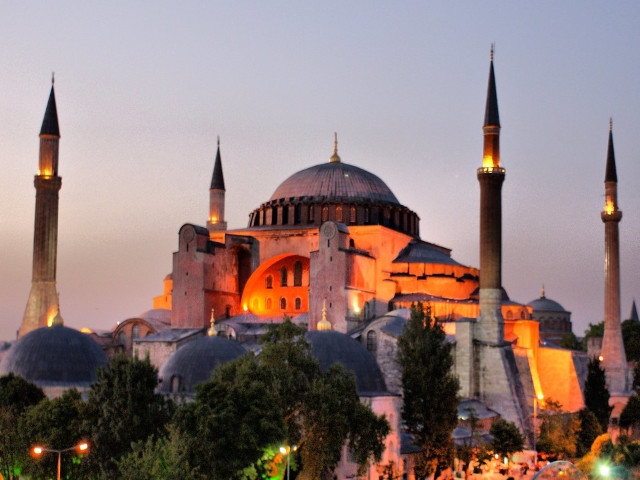
The Hagia Sophia