
ALEPPO, SYRIA
Holiday Houseboys
To fully appreciate Aleppo you need to book a Holiday Houseboys, your local gay friendly tour guide. He will be able to show you around like a local. Whether you want to see the tourist sites, places off the beaten track or discover new experiences, the Holiday Houseboy is there to help you. He looks after your safety and welfare at all times.
Vacancy

How To Book A Holiday Houseboy
To book any of our Holiday Houseboys please go to the booking form.
Or send an email to info@holidayhouseboys.com.
Alternatively WhatsApp +34-676-78 63 51.
Remember a Holiday Houseboy is your gay friendly tour guide who looks after your safety and welfare at all times.
Please note these are guide services and not sexual services.
Our other destination in Syria is Damascus.
Highlights of Aleppo
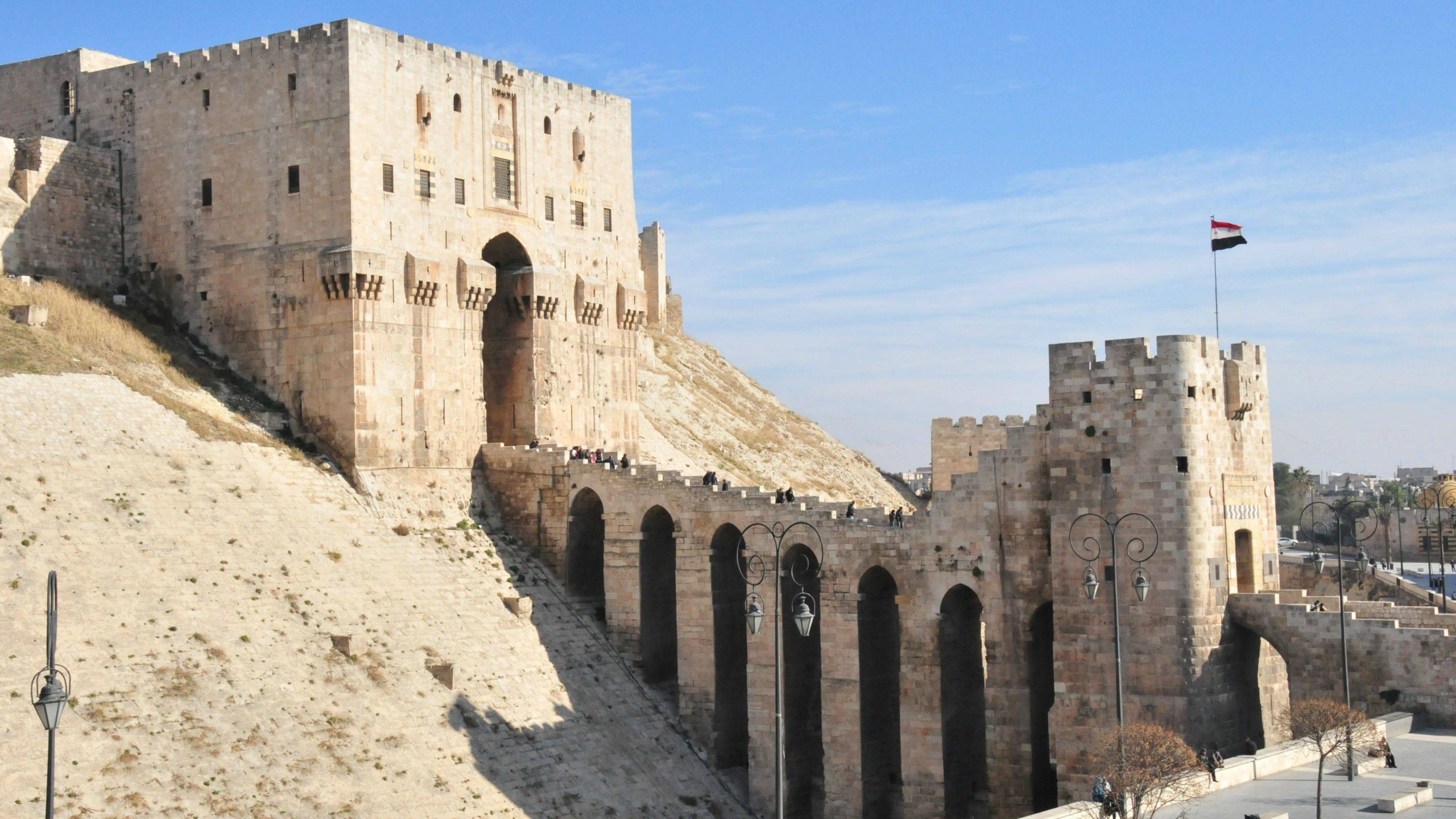
Aleppo is one of the oldest continuously inhabited cities in the world, located in northern Syria. With a history stretching back more than 4,000 years, Aleppo has long been a crossroads of civilizations, trade, and culture, linking the Mediterranean world with Mesopotamia and the Silk Road.
Historically known as Halab in Arabic, Aleppo rose to prominence because of its strategic location. Merchants from Asia, Europe, and Africa passed through the city, bringing goods such as silk, spices, textiles, and precious metals. This commercial importance shaped Aleppo into a wealthy and cosmopolitan urban center.
The heart of the city is the Ancient City of Aleppo, a UNESCO World Heritage Site. Narrow stone streets, traditional courtyard houses, and historic markets reflect centuries of urban life. The famous souks of Aleppo were once among the longest covered markets in the world, bustling with artisans, traders, and shoppers.

Dominating the skyline is the iconic Citadel of Aleppo, a massive medieval fortress rising from the city center. Built and expanded over many centuries, the citadel served as a military stronghold and symbol of power for successive empires, including the Ayyubids and Mamluks. From its heights, the entire city once unfolded below.
Aleppo has been shaped by numerous civilizations, including the Hittites, Assyrians, Greeks, Romans, Byzantines, Arabs, and Ottomans. Each left architectural, cultural, and social influences that blended into a unique urban identity. Mosques, churches, caravanserais, and hammams stand as reminders of this layered past.
The city has long been known for its rich cultural life. Aleppo is famous for Aleppine music, particularly traditional Arabic classical forms that influenced music across the Middle East. Poetry, storytelling, and craftsmanship were deeply woven into everyday life.
Aleppo’s cuisine is among the most celebrated in the region. The city is especially known for its wide variety of dishes and its creative use of spices. Foods such as kibbeh, rich stews, and nut-based desserts reflect a refined culinary tradition passed down through generations.
In recent decades, Aleppo has endured immense destruction due to the Syrian conflict. Large parts of the historic city were damaged, and many residents were displaced. The impact on cultural heritage, infrastructure, and daily life has been profound.
Despite this, Aleppo remains a powerful symbol of resilience. Efforts to restore historic buildings, revive markets, and rebuild neighborhoods are ongoing. For many Syrians, Aleppo represents endurance, memory, and hope for renewal.
Before the conflict, Aleppo was Syria’s largest city and an industrial hub, known for textiles, manufacturing, and trade. Its entrepreneurial spirit and strong local identity continue to influence reconstruction efforts today.
Social life in Aleppo has traditionally revolved around family, community, and neighborhood ties. Courtyard homes encouraged close relationships, while markets and public spaces served as gathering points for conversation and commerce.
In conclusion, Aleppo is a city of extraordinary historical depth and cultural richness. From its ancient citadel and bustling souks to its music, cuisine, and resilient people, Aleppo stands as a testament to human civilization’s ability to create, endure, and rebuild. Its story is not only one of loss, but also of survival and enduring heritage.
