
GAY FRIENDLY TOUR GUIDE IN DONJI MILANOVAC, SERBIA
Holiday Houseboys
To fully appreciate Donji Milanovac you need to book a Holiday Houseboys, your local gay friendly tour guide. He will be able to show you around like a local. Whether you want to see the tourist sites, places off the beaten track or discover new experiences, the Holiday Houseboy is there to help you. He looks after your safety and welfare at all times.
Vacancy

How To Book A Holiday Houseboy
To book any of our Holiday Houseboys please go to the booking form.
Or send an email to info@holidayhouseboys.com.
Alternatively WhatsApp +34-676-78 63 51.
Remember a Holiday Houseboy is your gay friendly tour guide who looks after your safety and welfare at all times.
Please note these are guide services and not sexual services.
Make the Most of Donji Milanovac By Booking One or More of These Activities
Powered by GetYourGuide
Our other destinations in Serbia are Belgrade, Donji Milanovac, Golubac and Novi Sad.
Some of the Highlights of Donji Milanovac As Shown By Our Gay Friendly Tour Guide
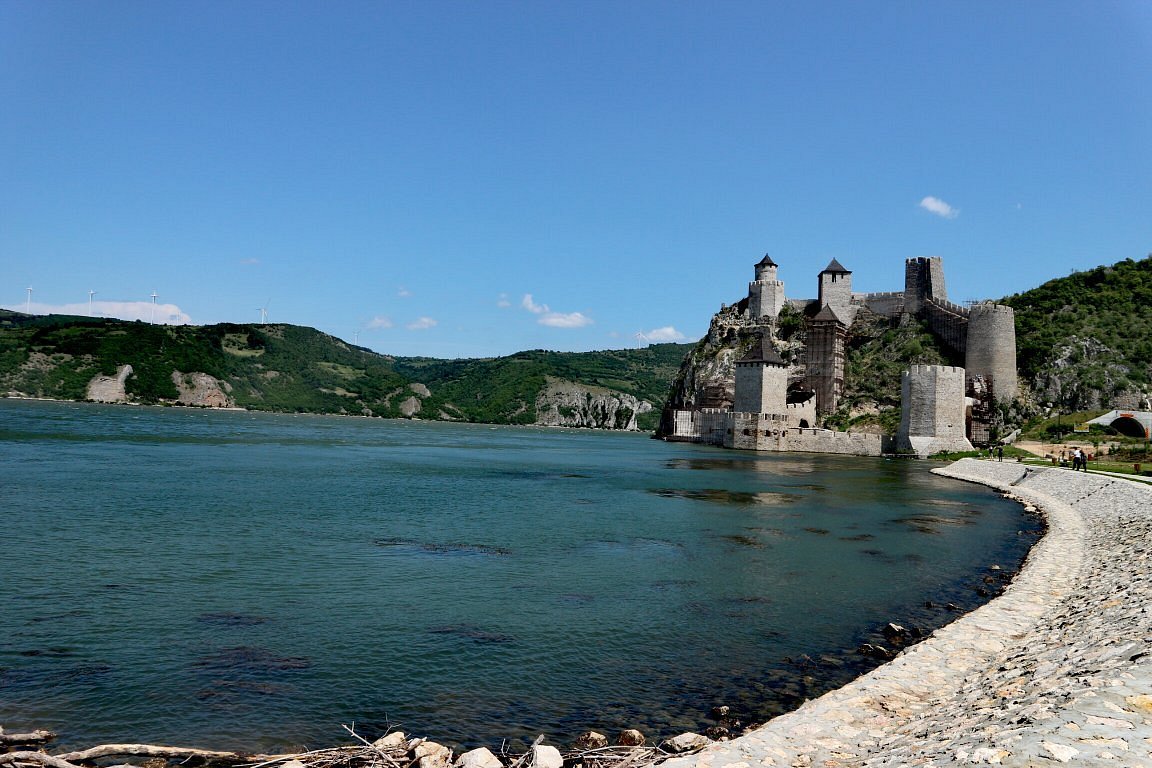
Donji Milanovac, a peaceful town in eastern Serbia, sits along the banks of the majestic Danube River within the stunning landscapes of Đerdap National Park. Surrounded by forested hills and dramatic river views, the town offers a calm and scenic destination for travelers exploring the famous Iron Gates Gorge. Because of its beautiful natural setting, Donji Milanovac attracts visitors who appreciate nature, history, and quiet riverside towns.
The modern town developed in the twentieth century when the original settlement was relocated during the construction of the Iron Gates Hydroelectric Power Station. Although the town moved to a new location, the region’s historical importance remains strong. For centuries, communities along the Danube used this area for trade, fishing, and travel between Central and Eastern Europe.
One of the most fascinating historical sites near Donji Milanovac is the ancient archaeological site of Lepenski Vir. This prehistoric settlement dates back more than 8,000 years and represents one of the oldest known organized communities in Europe. Visitors explore a modern museum that protects the site and displays stone sculptures, tools, and artifacts discovered by archaeologists.

Nature lovers especially enjoy exploring Đerdap National Park, which surrounds the town with forests, cliffs, and diverse wildlife habitats. The park protects some of the most dramatic landscapes along the Danube River. Therefore, visitors often hike scenic trails, enjoy photography, or observe birds and other wildlife in this protected natural environment.
Boat trips along the Danube River provide another memorable experience. Travelers can admire the towering cliffs of the Iron Gates Gorge while learning about the region’s natural and historical significance. Meanwhile, the calm riverfront in Donji Milanovac offers relaxing walking paths, small cafés, and peaceful views of the water.
The town also provides a welcoming and relaxed atmosphere for travelers. Local restaurants serve traditional Serbian cuisine, while friendly residents create a warm and inviting environment for visitors. Because of this peaceful setting, many travelers enjoy using Donji Milanovac as a base for exploring the surrounding national park.
In conclusion, Donji Milanovac combines natural beauty, ancient history, and tranquil riverside life in eastern Serbia. Visitors discover the prehistoric heritage of Lepenski Vir, explore the wilderness of Đerdap National Park, and enjoy scenic views along the powerful Danube River. Because of its unique location within the Iron Gates region, the town offers a memorable destination for nature lovers and cultural explorers.
