
DRAS, KASHMIR VALLEY, INDIA
Holiday Houseboys
To fully appreciate Dras in Kashmir Valley you need to book a Holiday Houseboy, your private friendly tour guide. He will be able to show you around like a local. Whether you want to see the tourist sites, places off the beaten track or discover new experiences, the Solo Tour Guide is there to help you. He looks after your safety and welfare at all times.
Vacancy

How To Book A Holiday Houseboy
To book any of our Holiday Houseboys please go to the booking form.
Or send an email to info@holidayhouseboys.com.
Alternatively WhatsApp +34-676-78 63 51.
Remember a Holiday Houseboy is your gay friendly tour guide who looks after your safety and welfare at all times.
Please note these are guide services and not sexual services.
Our other destinations in India are Agra, Baramulla, Bengaluru, Bhuj, Chennai, Darjeeling, Goa, Hyderabad, Jaipur, Jammu, Kargil, Kochi, Kolkata, Mumbai, New Delhi, Puducherry, Siliguri, Srinagar, Thiruvananthapuram and Udaipur.
Highlights of Dras
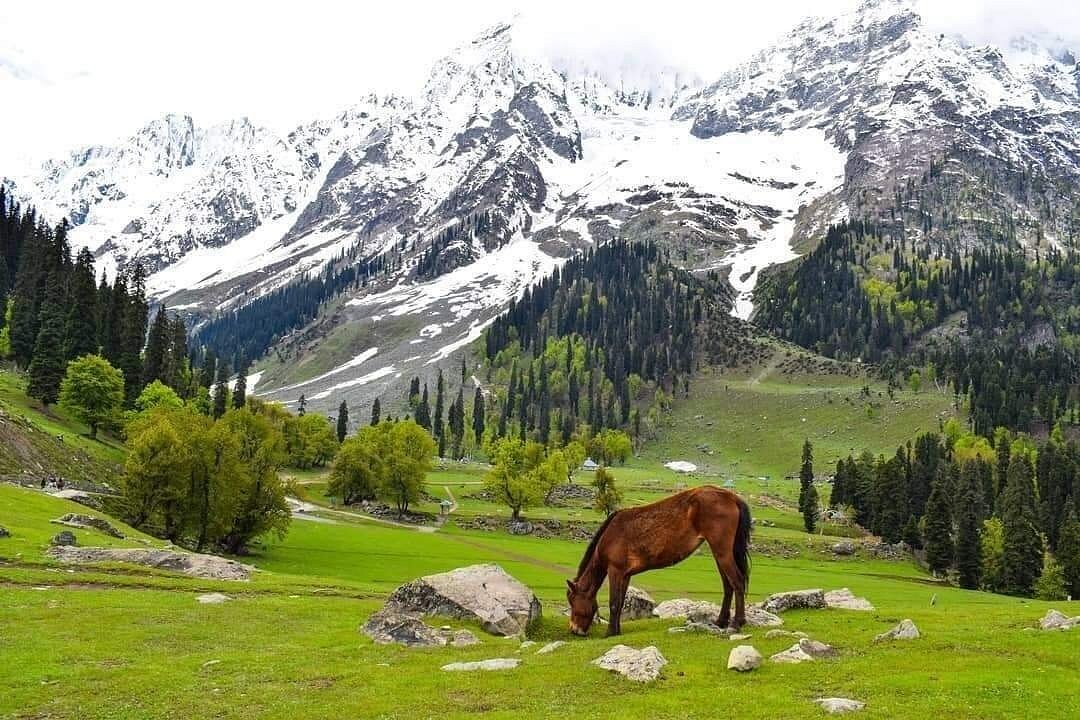
Dras is a small yet historically and geographically significant town located in the Kargil district of the Indian union territory of Ladakh. Nestled in the western Himalayas along the Srinagar–Leh highway, Dras is widely known as one of the coldest inhabited places in the world, earning it the nickname “Gateway to Ladakh.”
Situated at an altitude of around 3,300 meters above sea level, Dras experiences extreme climatic conditions. Winters are long and severe, with temperatures often dropping far below freezing, while summers are short, cool, and pleasant. This harsh environment has shaped the resilient lifestyle and traditions of the local population.
Dras lies along an ancient route that historically connected Kashmir with Central Asia and Tibet. Because of this strategic location, the town has long held military and trade importance. Caravans, travelers, and armies once passed through this region, leaving behind a legacy of cultural interaction and historical significance.

The town gained international attention during the Kargil conflict of 1999, as several key battles were fought in and around the Dras sector. Today, the area stands as a symbol of sacrifice and national remembrance. The Kargil War Memorial at nearby Tololing is a major landmark, honoring Indian soldiers who lost their lives and offering visitors a place for reflection.
Despite its rugged terrain and extreme climate, Dras is surrounded by striking natural beauty. Snow-capped peaks, wide valleys, alpine meadows, and clear mountain streams define the landscape. During summer, the region transforms with green fields, wildflowers, and grazing lands that support local agriculture and livestock.
The people of Dras are primarily of Dardic and Balti origin, and the local language commonly spoken is Shina, along with Urdu and Ladakhi influences. The community is close-knit, with strong traditions of hospitality, cooperation, and mutual support—qualities essential for survival in such a challenging environment.
Agriculture in Dras is limited by the short growing season, but residents cultivate hardy crops such as barley, wheat, peas, and vegetables. Livestock rearing, including sheep and goats, plays an important role in the local economy. Traditional lifestyles remain closely connected to the land and seasonal cycles.
Dras also holds cultural and spiritual importance. Local festivals, folk music, and oral storytelling preserve centuries-old traditions and reflect the community’s deep connection to nature and history. Religious life is an important part of daily routine, contributing to social unity and cultural continuity.
In recent years, Dras has slowly emerged as a destination for travelers interested in high-altitude landscapes, history, and offbeat experiences. Tourists passing between Srinagar and Leh often stop to experience the town’s climate, scenery, and historical sites. However, tourism remains limited and respectful of the region’s fragile environment.
Infrastructure development in Dras faces challenges due to weather and terrain, yet improvements in road connectivity, communication, and public services have strengthened its link with the rest of Ladakh. These developments have improved access to education, healthcare, and essential supplies for local residents.
Life in Dras demands endurance, adaptability, and community strength. Long winters foster strong family bonds, shared responsibilities, and deep respect for nature’s power. These qualities define the spirit of the town and its people.
In conclusion, Dras is more than just one of the coldest places on Earth. It is a town of resilience, history, and breathtaking beauty. From its strategic past and wartime legacy to its strong cultural traditions and dramatic Himalayan setting, Dras stands as a powerful reminder of human endurance in one of the world’s most challenging environments.
