How To Get the Most from a Trip To Galle Sri Lanka
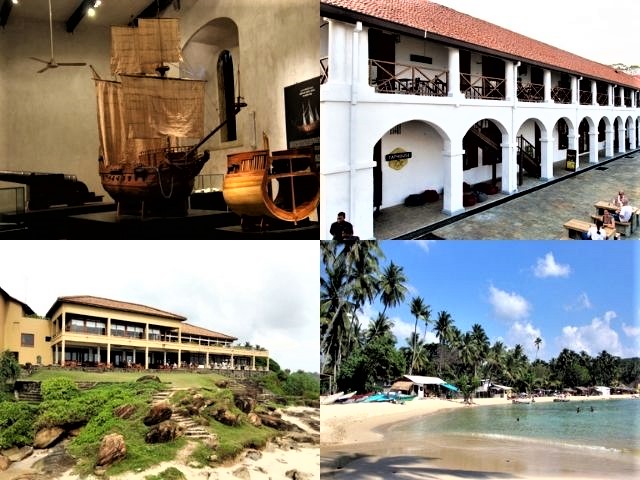
Planning a trip to Galle? This southern coastal gem offers everything travelers dream of: ancient colonial monuments, contemplative temples, sandy beaches, and wildlife-filled waterways. Whether you’re visiting for history, culture, or relaxation, a trip to Galle should be at the top of your Sri Lankan travel itinerary.
First, to get the most out of your trip to Galle, Sri Lanka, you need to learn a little about the country’s history. For a thousand years, traders have carried cinnamon from here. King Solomon came to these beaches and Galle’s natural harbor seeking ivory, peacocks, and other island treasures. Following Portuguese and Dutch colonization, this became a spice trading center and Sri Lanka’s principal port for 200 years. The British then arrived and transferred the major port to Colombo. Today, UNESCO recognizes Galle Fort as a World Heritage Site, making it a must-see destination.
Best Hotels for Your Trip to Galle: Jetwing Lighthouse

Hotel Jetwing Lighthouse
Moreover, this national architectural gem serves as a magnificent base for your trip to Galle. Specifically, the hotel sits on a seaside promontory about a mile west of town. It’s close enough to be convenient yet far enough away to seem like a haven of retreat and leisure. Furthermore, the late, great Geoffrey Bawa, Sri Lanka’s master architect, constructed the structure. You can see many of his characteristics here: long, straight, pillared hallways, huge reflecting ponds, interconnected courtyards, and windows framing amazing vistas of sea, sand, and sky. For more Sri Lankan accommodation options, visit the official tourism website.
Historic Sites to Visit During Your Trip to Galle: The Zwart Bastion
The Portuguese erected the fortification around the Black Fort. The term reportedly came from the black smoke in this region. Fires of canons, artillery, and smithies frequently emitted this smoke. Subsequently, after the Dutch took Galle Fort on March 13, 1640, they renamed it the Zwart Fort. Historians believe this bastion housed a hidden egress from Galle Fort called Water-Pas. Construction likely occurred between 1725 and 1735. It is no longer recognizable. Additionally, this bastion has a tunnel below it. However, archaeologists have not yet completely excavated it.
The Historic Dutch Hospital: A Dining Hub on Your Galle Journey

The Old Dutch Hospital is one of those structures that people overlooked for a long time. Specifically, it’s a long edifice on Hospital Road, right past Magistrate’s Square and beside the police barracks. They’ve done such a good job that you can see it from across the river. Indeed, developers simply and elegantly refurbished it. Meanwhile, the primary attraction of the location is strolling around the verandah. This is the entrance to the first-floor stores, which include The Tuna and the Crab, Sugar Bistro, Colombo Jewelry Stores, and a few souvenir shops.
National Maritime Museum: Essential Trip to Galle Attraction
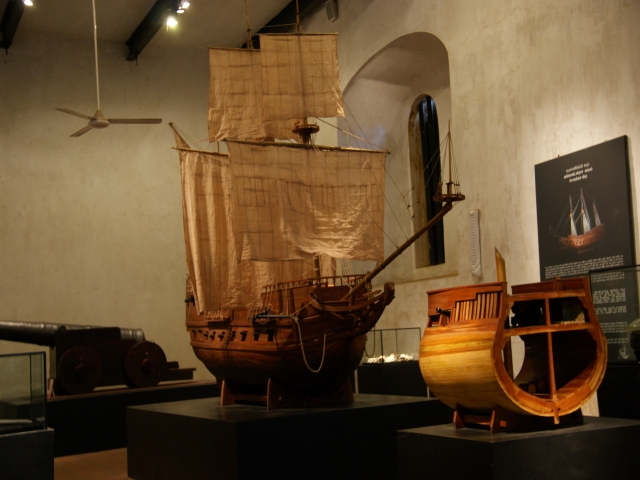
National Maritime Museum
The Galle Fort, a UNESCO World Heritage Site in Sri Lanka, houses the National Maritime Museum. The museum occupies a Dutch warehouse dating back to 1671 and linked with the Old Gate gateway. Furthermore, the building’s architecture integrates into the defensive walls that encircle the Galle Fort. Remarkably, it survived the 2004 tsunami that devastated Sri Lanka. Learn more about Sri Lanka’s museums and cultural sites.
Best Beaches Near Galle: Unawatuna Beach

Unawatuna Beach