
KARGIL, KASHMIR VALLEY, INDIA
Holiday Houseboys
To fully appreciate Kargil in Kashmir Valley you need to book a Holiday Houseboy, your private friendly tour guide. He will be able to show you around like a local. Whether you want to see the tourist sites, places off the beaten track or discover new experiences, the Solo Tour Guide is there to help you. He looks after your safety and welfare at all times.
Vacancy

How To Book A Holiday Houseboy
To book any of our Holiday Houseboys please go to the booking form.
Or send an email to info@holidayhouseboys.com.
Alternatively WhatsApp +34-676-78 63 51.
Remember a Holiday Houseboy is your gay friendly tour guide who looks after your safety and welfare at all times.
Please note these are guide services and not sexual services.
Our other destinations in India are Agra, Baramulla, Bengaluru, Bhuj, Chennai, Darjeeling, Dras, Goa, Hyderabad, Jaipur, Jammu, Kochi, Kolkata, Mumbai, New Delhi, Puducherry, Siliguri, Srinagar, Thiruvananthapuram and Udaipur.
Highlights of Kargil
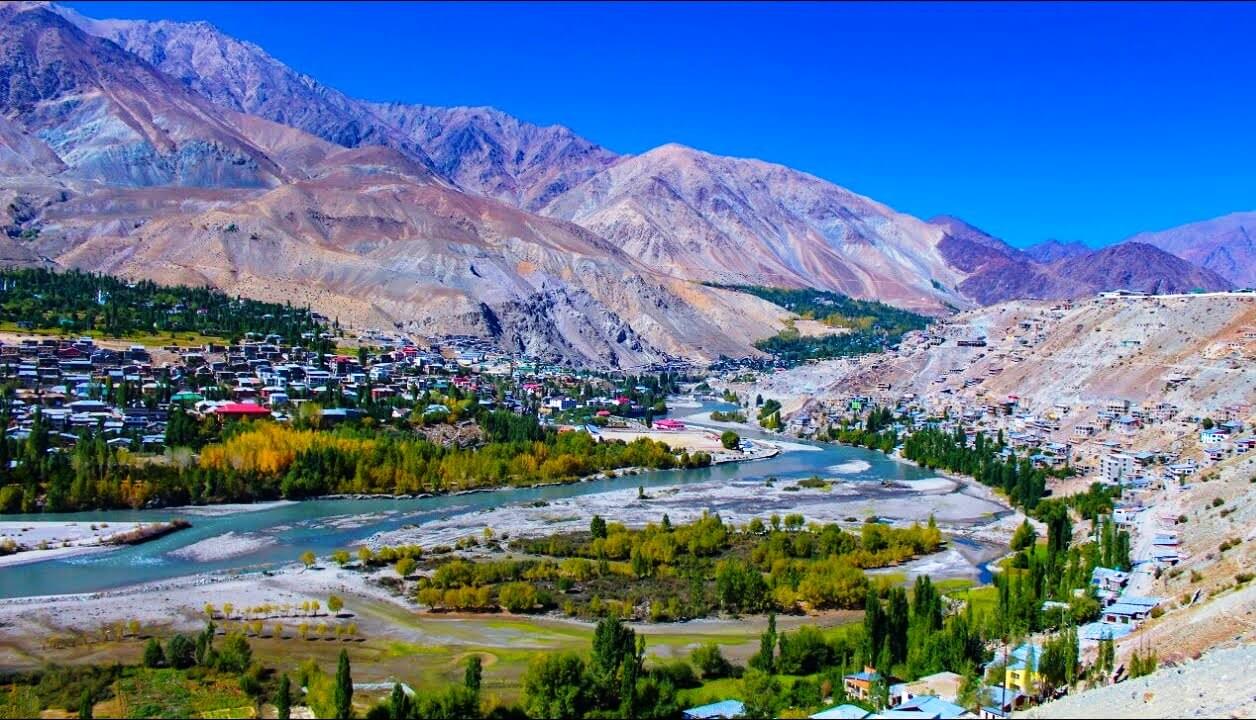
Kargil is a strategically important town located in the Ladakh region of northern India. Situated along the banks of the Suru River, Kargil lies between Srinagar and Leh on the historic route connecting Kashmir with Central Asia and Tibet. Known for its rugged terrain and dramatic mountain landscapes, Kargil plays a vital role in both regional life and national history.
At an elevation of around 2,700 meters above sea level, Kargil experiences a harsh high-altitude climate. Winters are long and extremely cold, while summers are short but pleasant. These conditions have shaped a resilient way of life, with communities adapted to limited growing seasons and challenging weather.
Historically, Kargil served as an important stop for traders and caravans traveling along the Silk Route. The town became a cultural crossroads, influenced by Tibetan, Central Asian, and Kashmiri traditions. Over centuries, this interaction shaped Kargil’s unique social and cultural identity.

Kargil is internationally known due to the Kargil conflict of 1999, a significant military confrontation between India and Pakistan. The region witnessed intense fighting in its high-altitude terrain, drawing global attention. Today, Kargil stands as a symbol of sacrifice and resilience, deeply associated with national remembrance.
One of the most important landmarks near the town is the Kargil War Memorial at Dras. Set against the backdrop of the Tololing Range, the memorial honors Indian soldiers who lost their lives during the conflict and serves as a place of reflection for visitors from across the country.
Culturally, Kargil is distinct from other parts of Ladakh. The majority of the population follows Shia Islam, and the region has strong cultural and religious ties to Baltistan. Languages commonly spoken include Balti, Purgi, and Urdu. Religious festivals and traditions play a central role in community life.
The Suru Valley, located near Kargil, is one of the most fertile areas in Ladakh. Fed by glacial waters, it supports agriculture in an otherwise arid region. Fields of barley, wheat, and vegetables, along with grazing land for livestock, provide livelihoods for many families.
Natural beauty surrounds Kargil on all sides. Towering snow-covered peaks, deep valleys, and fast-flowing rivers define the landscape. Peaks such as Nun and Kun, among the highest in the Zanskar range, attract mountaineers and adventure seekers from around the world.
Tourism in Kargil has grown steadily in recent years, though it remains less commercialized than Leh. Visitors are drawn by its raw landscapes, historical significance, and opportunities for trekking, mountaineering, and cultural exploration.
Infrastructure in Kargil faces challenges due to extreme weather and remote location. However, improvements in road connectivity, communication, and public services have enhanced access to education, healthcare, and trade.
Daily life in Kargil is shaped by strong community bonds, cooperation, and respect for tradition. Long winters encourage close-knit family life, while short summers are a time of intense agricultural and social activity.
In conclusion, Kargil is a town of profound historical significance and striking natural beauty. From its role on ancient trade routes to its modern place in national memory, Kargil stands as a testament to resilience, cultural richness, and life in the high Himalayas. It offers a powerful insight into a region where history, geography, and human endurance intersect.
